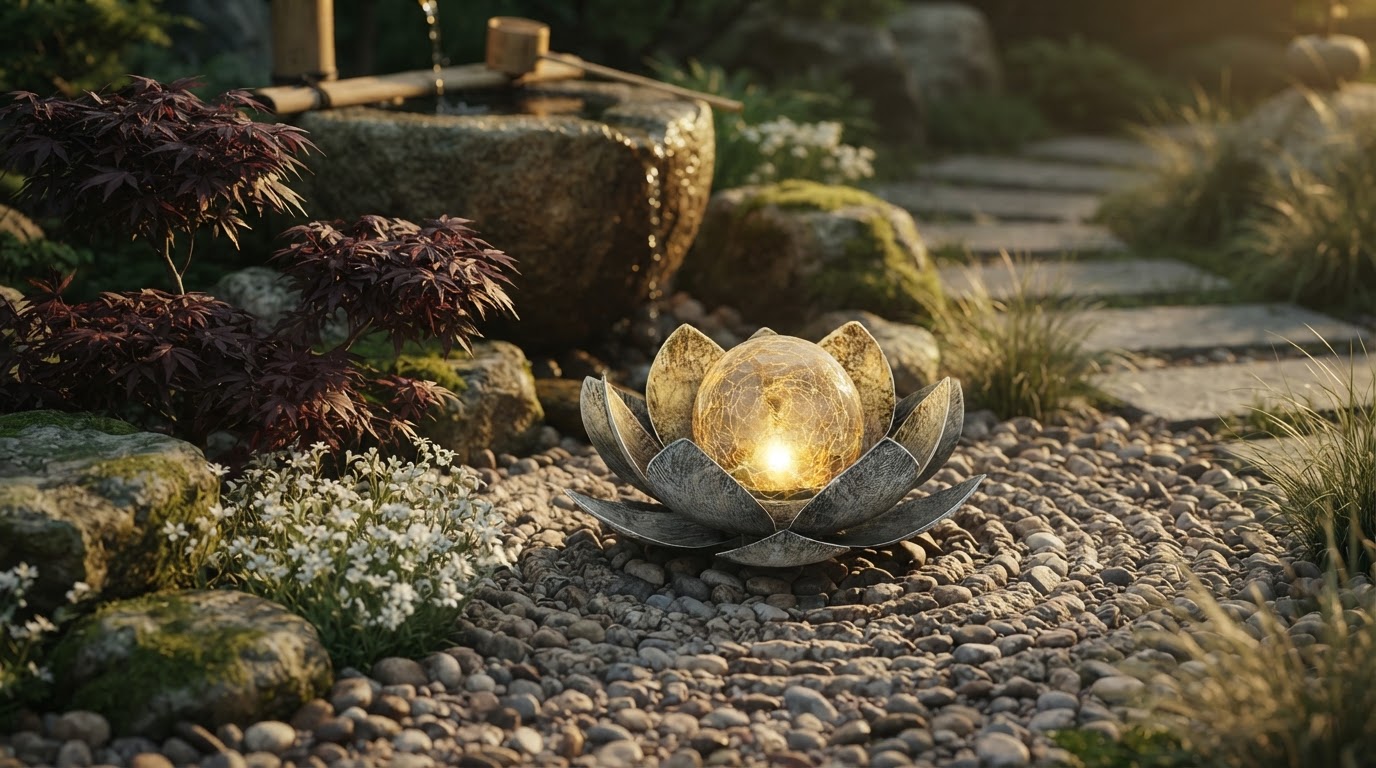
What are the best zen garden solar accessories?
 Maya ChenContributing Editor
August 20, 2026 — High-performance zen garden solar accessories like the Solar Lotus Light provide reliable ambient illumination only when the photovoltaic conversion efficiency is paired with a specific aesthetic focus on focal-point placement.
Homeowners frequently attempt to recreate traditional Japanese aesthetics using low-wattage lighting, but the technical reality often falls short of the intended tranquility. The conventional wisdom says that any soft light will suffice for a meditation space, yet the integration of solar technology into spiritual symbols requires a balance between battery density and visual weight. Achieving a functional evening landscape requires moving beyond simple novelty stakes toward hardware that can withstand environmental exposure while maintaining a consistent Kelvin temperature.
How does the Solar Lotus Light integrate with traditional Zen elements?
The Solar Lotus Light functions as a modern replacement for the traditional stone lantern by utilizing glass and metal to diffuse light across symbolic garden features. While many practitioners rely on static sculptures, the addition of a solar-powered element allows for a dynamic interplay between shadow and form during the transition from dusk to night. According to Zen Garden Accessories on Etsy, integrated designs like the Solar Buddha Statue with LED Lotus Light are increasingly used to bridge the gap between classic stone iconography and modern energy-efficient needs. Here's the part nobody talks about: a solar light is only as effective as its placement relative to the garden's 'dry water' features. If the light does not strike the raked sand at a low enough angle, the texture is lost entirely. To ensure a cohesive design, one should consider [Solar Lotus Light Placement for Meditation Gardens](/blog/meditation-garden-solar-lotus-light-setup) to maximize the textural shadows created by the petals.
Can solar-powered accessories maintain the integrity of a Zen aesthetic?
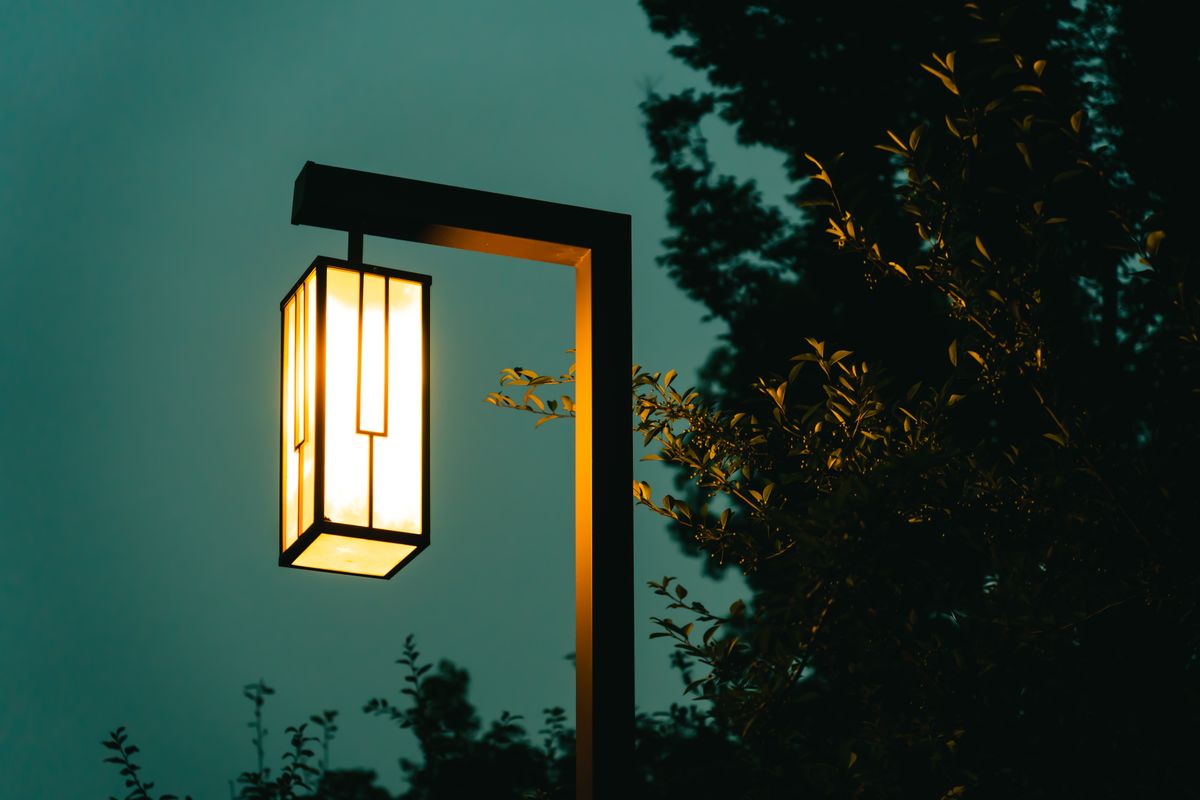
Photo by JUNLIN ZOU on Pexels
Solar-powered accessories maintain aesthetic integrity only if they avoid the plastic-heavy construction common in mass-market landscaping. The shift toward higher-quality materials like the glass found in Solar Lotus Light products prevents the 'cheap' blue-light glare that destroys the meditative atmosphere. Evidence from VivaTerra indicates that premium solar options, such as the Stella Pod, utilize ultra-bright LED lights powered by a single AAA rechargeable battery, demonstrating that compact, high-quality components can provide sufficient glow without bulky external panels. Run the math: a standard 600mAh battery provides approximately 6 to 8 hours of light, which is more than sufficient for evening meditation sessions but requires unshaded placement during peak UV hours. This technical requirement often conflicts with the traditional placement of [Solar Lotus Light for Zen Garden Design](/blog/zen-garden-solar-decor), which may favor shaded corners. I'll change my mind when wireless charging technology matures enough to allow for deep-shade placement without compromising the minimalist Zen silhouette.
Quick answers
Q: How tall should a solar pagoda or lotus light be for a standard zen garden? A: For a medium-sized residential space, a height of approximately 12 inches is standard, as seen in the antique-style Japanese pagoda designs currently sold on eBay. This height ensures the light source remains below the eye level of a seated practitioner.
Q: Can Solar Lotus Lights be used in water features within a zen garden? A: Yes, specific models are designed for aquatic environments, serving as effective [solar pond decor for nighttime](/blog/solar-pond-decor-for-nighttime). These units must have an IP65 or higher waterproof rating to survive continuous exposure to moisture and humidity.
Q: Are solar accessories suitable for professional yoga or meditation studios? A: They are highly effective for [yoga studio outdoor lighting decor](/blog/yoga-studio-outdoor-lighting-decor), provided the studio receives at least 6 hours of direct sunlight daily to charge the internal cells. Without this specific solar exposure, the lights will fail to trigger the automatic dusk-to-dawn sensors reliably.
Learn more about Solar Lotus Light at https://solyralotuslight.com.
Sources
Photo by Star Zhang on Pexels