Enhancing Nighttime Gardens with Solar Lotus Light
 Jordan HaleStaff Writer
October 21, 2026. This exploration details the aesthetic and functional shift that occurs when integrating color-changing illumination into private landscapes. It is written for homeowners seeking to balance sustainable technology with organic garden design.
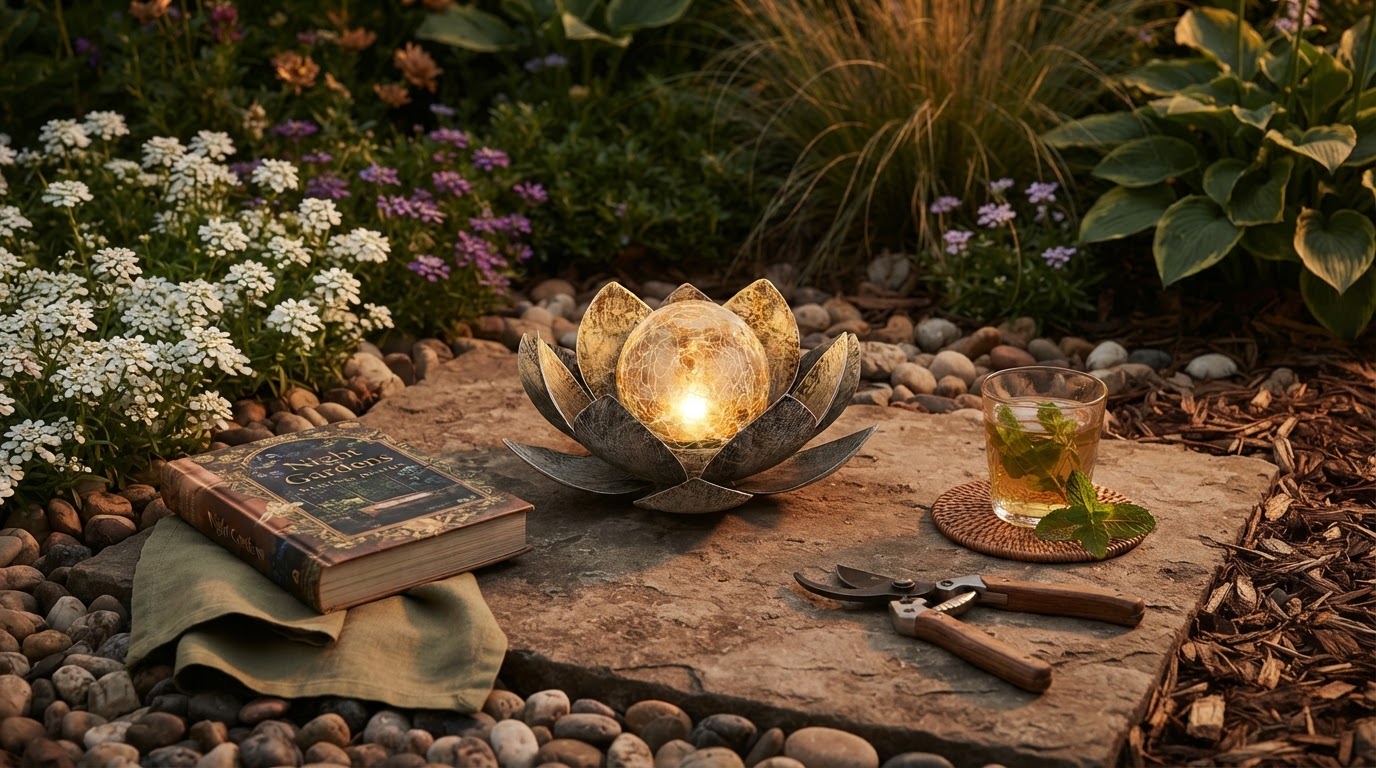
Walking into the backyard at dusk used to mean the end of the visual experience, where the vibrant reds of the maples and the deep greens of the hostas simply dissolved into a monochromatic shadow. The first thing I noticed was how a single point of light, shaped like a blooming flower, could anchor an entire dark corner of the patio. According to Alibaba's product specifications for the Multicolor Changing Solar Lotus Lamp for Outdoor Gardens, these units are engineered for waterproof durability and energy efficiency, specifically designed to withstand the varying humidity levels of a courtyard. When the sun dips below the horizon, the transition isn't abrupt; instead, the crackle glass textures begin to catch the fading light, preparing for the shift to internal power. For those who have experimented with a glass solar lotus globe light, the weight of the materials matters—the way the light refracts through thick, textured petals creates a dappled effect on the surrounding grass that plastic alternatives often fail to replicate. The challenge for most gardeners isn't just finding a light, but finding one that doesn't look like a utility fixture during the day. A standard solar lotus light acts as a sculptural element when the LEDs are dormant, bridging the gap between hardware and horticulture. The shift toward these specific floral geometries reflects a broader trend in solar pond decor for nighttime, where the goal is to mimic the natural environment rather than impose industrial shapes upon it. I’ve found that the psychological impact of a soft, cycling glow is far more meditative than the harsh, static white of traditional security floodlights.
Somewhere around week two, I began to see how the Solar Lotus Light specifically manages the transition between colors without feeling like a strobe light. The internal circuitry allows for a slow, rhythmic cycle through seven distinct hues, a feature often noted in listings for floating pool lights on eBay. The device utilizes a high-efficiency solar panel tucked discreetly within the bloom, charging an internal battery that reliably powers the LED for six to eight hours. It turns out that the placement of the solar cells is critical; they must be angled enough to catch the midday sun but remain hidden to preserve the illusion of a real flower. In my own garden, I placed three of these near the edge of a stone path, and the way the color-changing cycle syncs—or occasionally falls out of sync—creates a living, breathing light installation. The technical achievement here is the waterproof rating, which allows the base to sit in damp soil or even float on a surface. This versatility is a core component of effective solar pond decor for nighttime, where moisture resistance is the primary failure point for lesser models. When you hold the light, you feel the density of the glass and the seal of the battery compartment, a tactile assurance that it can survive a sudden autumn downpour. Unlike the lightweight plastic stakes found at big-box retailers, these units have enough heft to stay put during a breeze, ensuring the light remains focused on the intended foliage. The integration of the glass solar lotus globe light aesthetic into a color-changing platform provides a sophisticated alternative to the static glow of traditional path markers.
I keep coming back to the idea that garden lighting should be a choice, not a necessity. When selecting a color-changing unit, the decision framework should prioritize the quality of the light diffusion and the integrity of the housing. A proper solar lotus light should feel like an extension of the garden's personality, not a tech gadget left on the lawn. Before finalizing a placement, consider the following criteria for your outdoor space:
- Verify the material composition to ensure the petals are made of weather-resistant glass or high-grade treated polymers.
- Assess the solar panel location to ensure it will receive at least six hours of direct sunlight without being shaded by the flower’s own petals.
- Check the IP rating for water resistance, especially if the light will be used as solar pond decor for nighttime.
- Observe the color-cycling speed; look for a slow fade rather than a rapid flash to maintain a peaceful atmosphere.
- Evaluate the base stability, ensuring it can be anchored into the ground or float without capsizing in light wind.