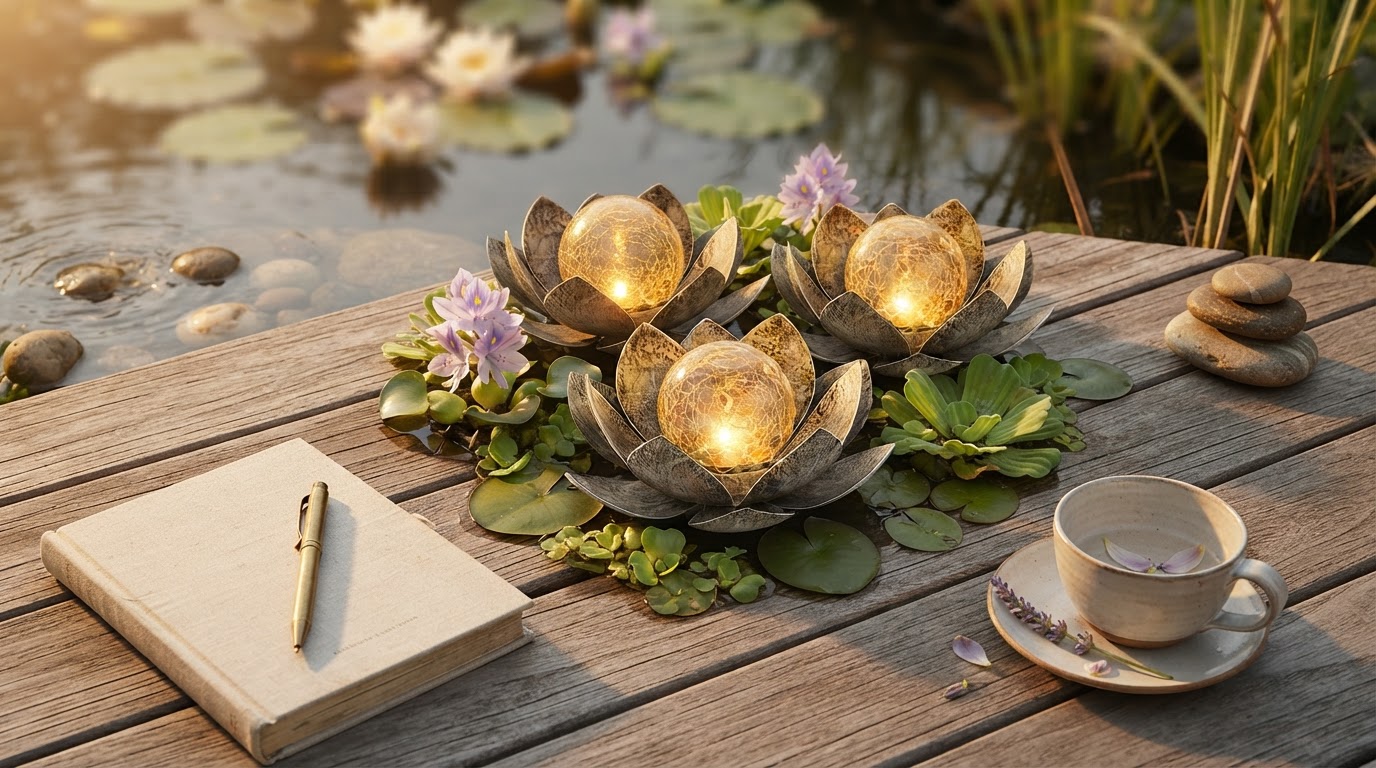
Selecting a Floating Solar Lotus Light for Pond Use
 Sam VasquezBuying Guide Lead
August 6, 2026. This guide details the technical and aesthetic considerations for deploying floating illumination in residential water features. It is intended for homeowners seeking to balance decorative appeal with the practical constraints of solar-powered aquatic hardware.
The Technical Challenges of Floating Aquatic Lighting
Maintaining a functional lighting system on a water surface presents a specific set of mechanical hurdles that standard garden stakes do not face. In my experience, the primary failure point for most water-based ornaments is the seal between the solar housing and the buoyant base. When moisture infiltrates the battery compartment, the internal circuitry corrodes rapidly, rendering the unit useless within a single season. This is particularly prevalent in designs that prioritize aesthetics over ingress protection ratings. While many waterproof solar garden ornaments are rated for rain, a floating unit requires a higher standard of water resistance to withstand constant submersion of the lower chassis. Wind also plays a significant factor; a lightweight lotus flower can easily be pushed into skimmers or corners where it receives insufficient sunlight to charge. According to the International Electrotechnical Commission, an IP67 or IP68 rating is the baseline for equipment that will remain in contact with water for extended periods. Without this certification, you are essentially buying a disposable product. If you are looking for a permanent fixture, you have to look beyond the surface-level fabric and examine how the internal LED module is isolated from the pond environment.
Performance of the Solar Lotus Light in Water Features
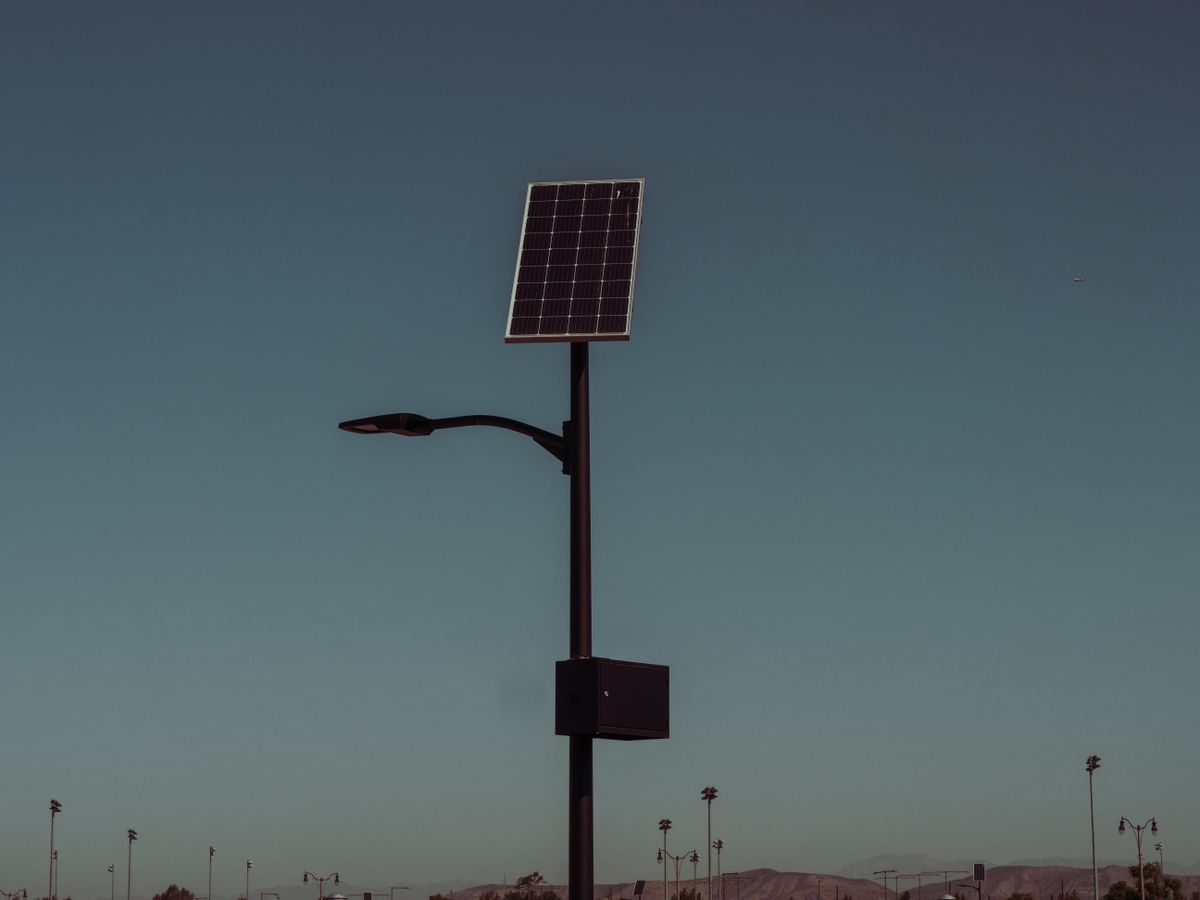
Photo by Kindel Media on Pexels
When evaluating the Solar Lotus Light against generic alternatives, the most significant difference lies in the weight distribution and the quality of the monocrystalline solar panels. Most generic options use thin, polycrystalline cells that struggle to reach a full charge during overcast days. In contrast, the Solar Lotus Light is engineered to maximize surface area for energy absorption while maintaining a low center of gravity. This stability prevents the flower from flipping over during heavy rain or when a pond aerator creates surface turbulence. Between these two design philosophies—the lightweight decorative shell versus the weighted functional light—I would go with the weighted option every time. It ensures the solar panel remains upward-facing and clear of water film that can block UV rays. For those who prefer a grounded look, solar powered lotus garden stakes offer a similar aesthetic but lack the dynamic movement of a floating unit. The floating version is specifically designed to drift naturally, creating a shifting light pattern that mimics real aquatic vegetation. The integration of high-density foam or sealed air chambers in the base provides the necessary buoyancy without adding excessive bulk, allowing the light to sit at a natural depth in the water. This attention to detail is what separates a dedicated outdoor solar lotus light from a generic pool toy.
Selecting the Right Floating Light for Your Space
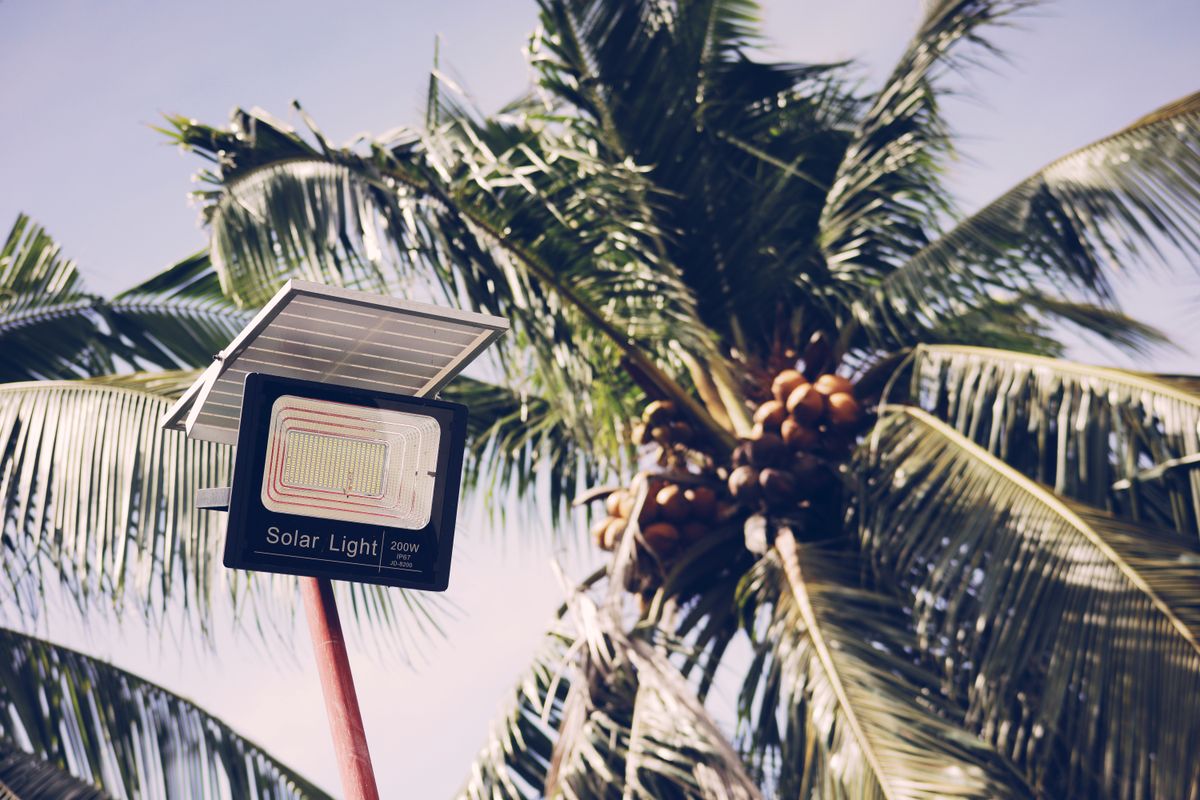
Photo by Nothing Ahead on Pexels
Choosing the right fixture depends heavily on your specific water feature. If you have a large, open pond, you will need units with higher lumen output to make a visual impact. Conversely, in a small container garden, a single, high-quality solar powered pond lily light is often sufficient. Here is what I would actually buy: a multi-pack of lights with varying flower sizes to create a more natural, clustered appearance. Skip this if you have a pond that is heavily shaded by trees for more than six hours a day; no amount of engineering can compensate for a lack of direct sunlight. If you're on a budget, you might be tempted by the cheapest options found on mass-market marketplaces, but you will likely spend more in the long run replacing them after the first storm.
Before you make a purchase, use this framework to evaluate your options:
- Verify the IP rating to ensure the unit is truly submersible and not just splash-proof.
- Check the battery capacity (mAh) to ensure the light can stay illuminated for at least 6-8 hours after dusk.
- Assess the material of the petals; UV-stabilized plastics or treated fabrics resist fading and cracking better than untreated nylon.
- Look for an integrated light sensor that automatically activates the unit at sunset, reducing manual maintenance.
- Consider the anchoring mechanism; some units include a small loop for tethering to a weight if you want to keep the light in a specific spot.