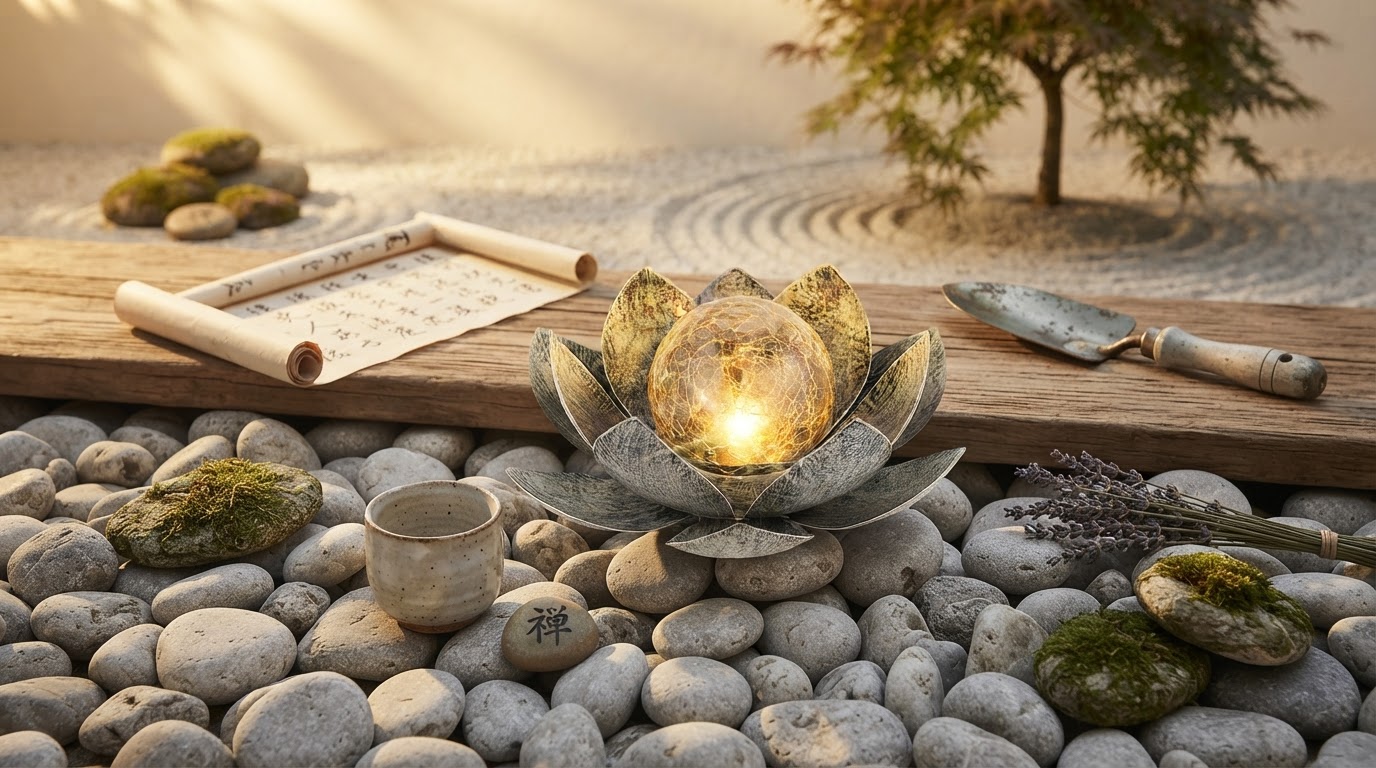
Solar Lotus Light Placement for Zen Garden Pathways
 Sam VasquezBuying Guide Lead
August 12, 2026. This guide explores how to integrate Solar Lotus Light fixtures into minimalist landscapes to achieve a balanced aesthetic. It is intended for homeowners seeking to improve their outdoor meditation or relaxation areas without the complexity of hardwired electrical systems.
The Challenge of Balancing Light and Shadow
Creating a Zen garden involves more than just selecting plants; it requires a deliberate management of negative space and visibility after dark. Many traditional Japanese gardens rely on the interplay of light and shadow to evoke a sense of calm, but modern solar options often fail to replicate this subtlety. According to Ideal Home, one of the most effective ways to achieve this is to let plants cast shadows or illuminate stepping stones for a floating effect. The problem I see most often is over-lighting. When a space is flooded with bright, cool-toned LEDs, the sense of mystery and tranquility disappears.
If you are designing a space specifically for mindfulness, you need to consider how zen garden solar decor functions as a focal point versus a utility light. Standard plastic path lights often feel out of place in a rock garden or near a koi pond because they lack the organic shape required to blend into the environment. In my experience, the goal should be to hide the light source as much as possible or ensure that the fixture itself serves as a piece of art. High-quality meditation garden solar accents should prioritize a warm glow over raw lumen output. If you’re on a budget, you might be tempted to buy a pack of twelve generic stakes, but these usually fail to survive a single season of rain and sun exposure. A focused approach using fewer, higher-quality pieces typically yields a better result for those trying to maintain a Japanese-inspired aesthetic. This is especially true when setting up yoga studio outdoor lighting decor, where the glare of a cheap bulb can be distracting during a practice.
Integrating the Solar Lotus Light into Minimalist Spaces
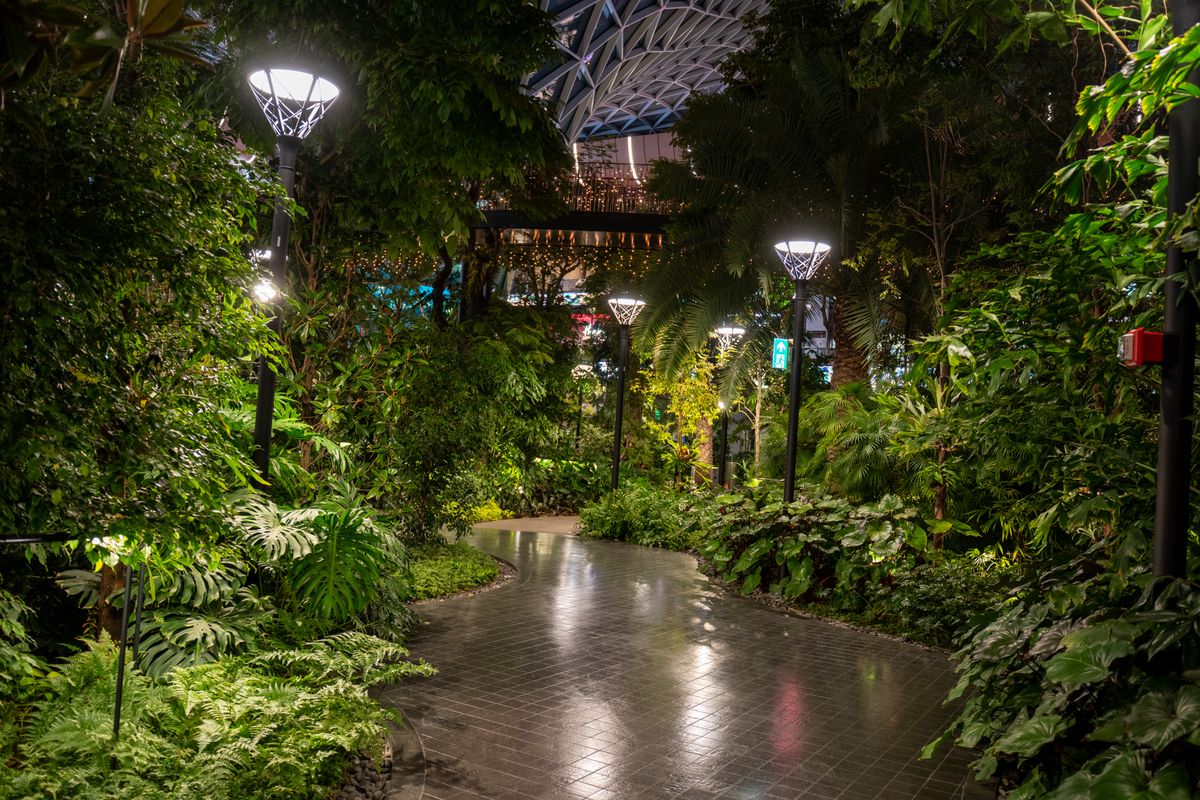
When we look at specific hardware like the Solar Lotus Light, the design serves a dual purpose. During the day, the lotus shape acts as a sculptural element, and at night, the petals diffuse the light to prevent harsh hotspots. Based on search data from Google Search Console, many users are specifically looking for solar powered lotus garden stakes to add a vertical element to their flower beds. The Solar Lotus Light is built to meet this demand, offering a durable alternative to the flimsy models found in big-box stores. Between these two—the generic plastic stake and the metal-and-glass lotus—I’d go with the lotus every time because it holds up against wind and provides a more natural light pattern.
For those with water features, floating solar lotus lights for pool or pond use are a frequent request on forums like Reddit. The Solar Lotus Light is designed to sit low to the ground or water surface, mimicking the growth habit of a real Nelumbo nucifera. This low profile is essential for maintaining the "floating effect" mentioned by landscape designers. In a Zen context, the lotus flower represents purity and enlightenment, making it a symbolic fit for a meditation space. Unlike standard spotlights that aim to illuminate a wide area, these lotus-shaped fixtures are designed for "pooling" light—creating a soft circle of illumination that draws the eye to a specific stone, plant, or water edge. This targeted approach is much more effective for meditation garden solar accents than generic floodlighting. If you are trying to light a large driveway or a high-traffic walkway, skip this if you need high-intensity safety lighting. These are atmospheric tools, not industrial searchlights. For a professional look, I recommend spacing them unevenly to mimic natural growth rather than placing them in a straight, artificial line.
A Framework for Selecting Zen Lighting
Choosing the right fixture requires looking at your garden's existing layout and determining where the eye should rest. You want to avoid "light pollution" within your own backyard. According to the Zen garden lighting ideas curated by Pinterest, successful designs often incorporate traditional Japanese outdoor lighting elements like stone lanterns or glowing stones to create layers of depth. When you add a Solar Lotus Light to this mix, you are adding a layer of texture that bridges the gap between traditional stone and modern solar technology.
Here’s what I’d actually buy if I were starting a Zen garden from scratch: I would start with three Solar Lotus Light stakes and place them at varying heights near the entrance of the path. I would then supplement these with low-profile zen garden solar decor to fill in the gaps. Before you make a final decision, use this checklist to ensure the lighting fits your specific environment:
- Check the solar panel orientation to ensure it receives at least 6 hours of direct sunlight.
- Verify the IP (Ingress Protection) rating if you plan to place the light near a splash zone or pond.
- Match the color temperature; look for warm white (2700K-3000K) to maintain a relaxing atmosphere.
- Assess the material quality; metal and cracked glass will outlast painted plastic in high-UV areas.
- Consider the scale of the lotus flower relative to your largest rocks or shrubs to ensure visual balance.
Sources
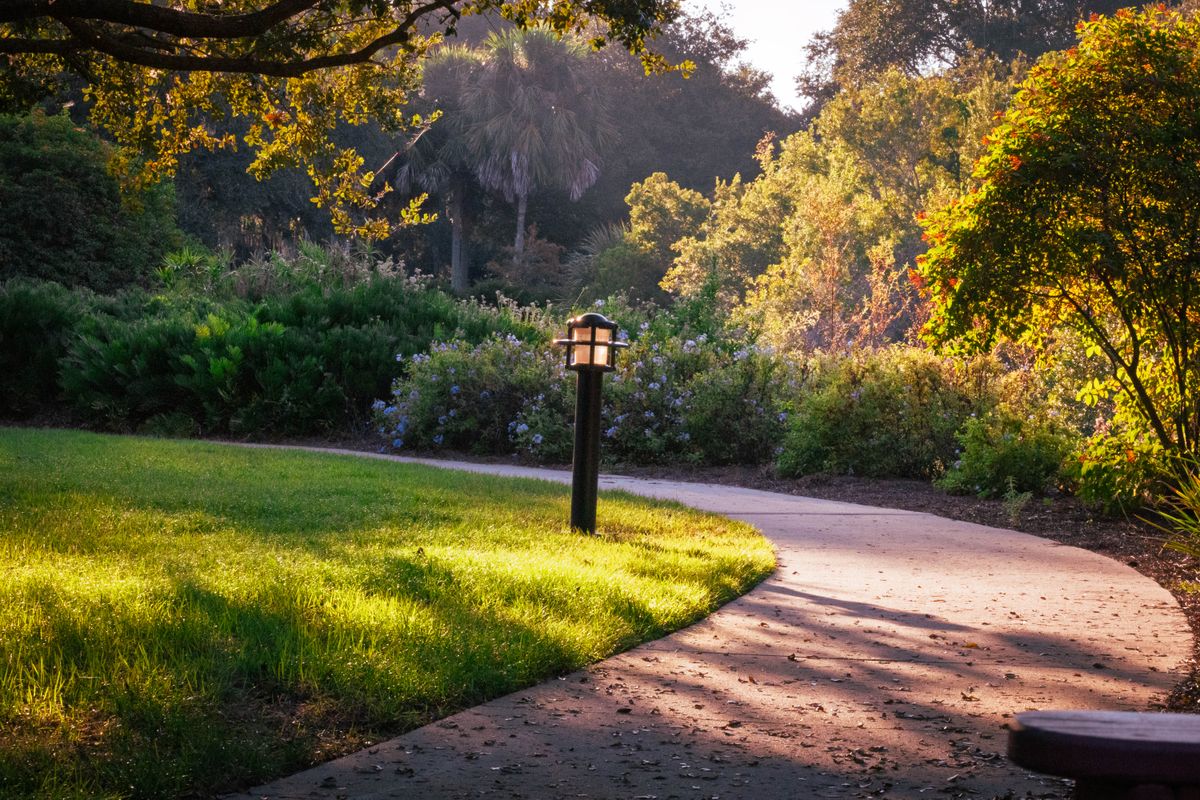
Photo by Kim Lawrie on Pexels
- Zen Garden Lighting
- Japanese Garden Lighting Ideas | Peaceful Zen Illumination ...
- Japanese garden lighting ideas – 6 subtle yet ...