Solar Lotus Light Evaluation and Placement Framework
 Priya RamanSenior Analyst
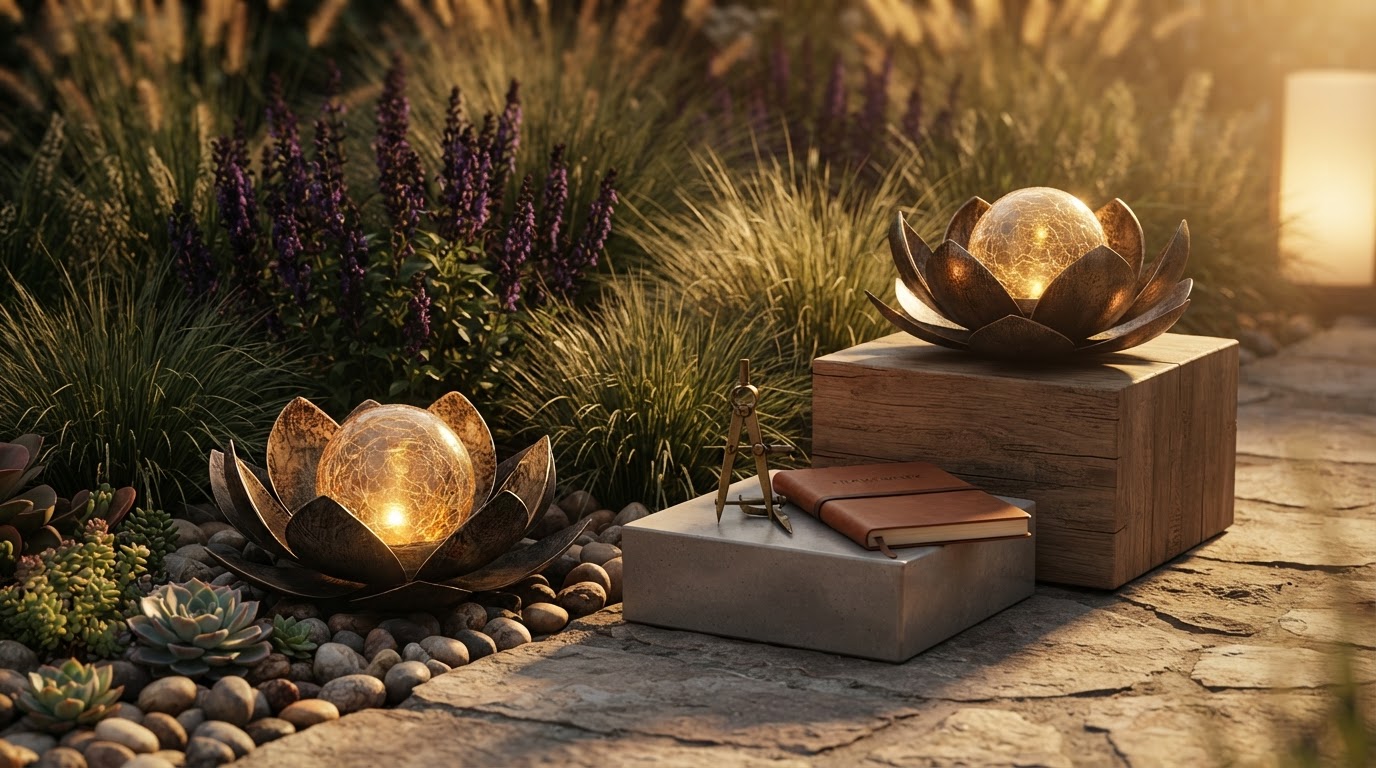
September 5, 2026 — Recent shifts in residential landscape design show a significant uptick in interest for specialized floral optics, specifically the Solar Lotus Light, as consumers move away from generic floodlighting. This transition emphasizes aesthetic integration where functional illumination meets symbolic geometry in outdoor spaces.
Modern landscape lighting requires a balance between environmental resilience and lumen consistency. According to product specifications from Nature's Way Bird Products, high-quality solar lotus models utilize built-in solar panels that charge by day to activate automatically at dusk, eliminating the need for external wiring or manual switches. This eco-friendly approach has expanded the product's utility beyond traditional garden beds into more demanding environments like water features and commemorative sites. When selecting a unit, consumers often weigh the visual impact against the technical limitations of solar conversion rates in shaded areas.
The Three-Point Placement Matrix
When evaluating the Solar Lotus Light, two axes matter here: mechanical placement (fixed vs. floating) and atmospheric intent (tranquility vs. visibility). Think of it as a matrix of durability and light diffusion. For fixed ground installations, the primary technical metric is the IP rating, which dictates how the internal circuitry handles soil moisture and rain. Models designed for the garden, such as those used for solar powered zen garden decor, rely on a stable ground stake to maintain the optimal angle for the solar cell. Conversely, floating variants must prioritize buoyancy and a watertight seal, as seen in trending searches for floating led lotus lights for pools, which currently generate over 5,400 monthly impressions.
Performance data indicates that these units typically offer a runtime of 6 to 8 hours following a full charge cycle, though this varies based on the specific LED wattage and battery capacity. In buddha garden solar lighting, the light serves a dual purpose: highlighting statuary while providing enough ambient glow to define the space. For more sensitive applications, such as solar memorial flower lights for cemetery use, the decision rule focuses on low-maintenance reliability. Once you see it this way, the choice becomes less about the flower's color and more about the environment's specific constraints. Integrating a Solar Lotus Light into zen garden spaces requires assessing the daily sunlight exposure to ensure the internal battery reaches its peak voltage before nightfall.
Expert tip: To maximize the lifespan of your Solar Lotus Light, clean the photovoltaic surface with a damp cloth monthly; even a thin layer of dust can reduce charging efficiency by up to 20% in high-pollen environments.
Selecting the right model depends entirely on whether the unit will be subjected to the constant moisture of a pond or the static conditions of a flowerbed. While Gigalumi notes that these lights are versatile enough for patios and gravesites, the specific mounting hardware will determine the long-term stability of the display.
Sources
Photo by Kindel Media on Pexels
- Lotus Flower Solar LED Garden Light - Silver - Nature's Way Bird Products
- Gigalumi Solar Lotus Light Set (1 Pack)
- Solar Floating Lotus Flower Lights 2-Pack - YouTube