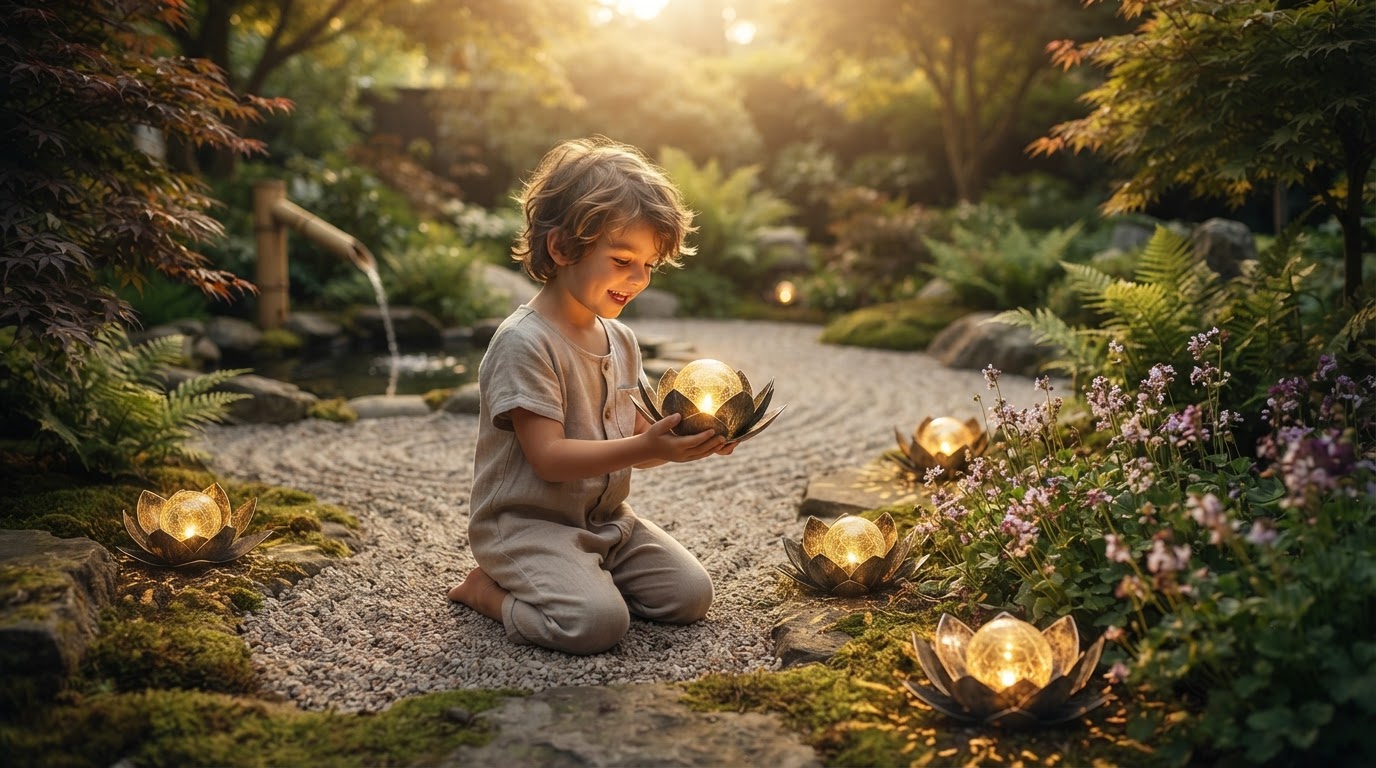
Zen Garden Solar Lotus Light Installation Strategies
 Maya ChenContributing Editor
August 13, 2026 — The rising demand for meditative outdoor spaces has positioned the Solar Lotus Light as a central fixture in modern landscape design. While many homeowners prioritize aesthetics, the functional integration of these units requires a technical understanding of solar absorption and ambient light spread.
The conventional wisdom says that any solar fixture can simply be dropped into a rock garden to achieve a tranquil effect, but this ignores the specific luminosity requirements of traditional Japanese aesthetics. According to VivaTerra, high-quality Zen garden elements often include solar-integrated symbols like lotus flowers and dark grey solar cascade fountains to maintain a cohesive visual narrative without the intrusion of wiring. Achieving this balance requires a calculated approach to placement that accounts for both the biological mimicry of the lotus form and the physical limitations of photovoltaic cells.
The Professional Placement Framework
Successful implementation of the Solar Lotus Light in a zen setting relies on three measurable factors: solar exposure, IP-rated durability, and light radius. Data from Google Search Console indicates that users specifically seek outdoor solar lotus lights and solar powered lotus garden stakes, yet few account for the specific hardware requirements of these environments. Run the math: a standard solar lotus fixture requires between six and eight hours of direct sunlight to provide a consistent six-to-ten-hour discharge cycle. In a zen garden, where boulders and maples often create significant shadows, improper placement results in a flickering or dim output that disrupts the intended calm. The Solar Lotus Light is built with resin materials and a sun-protective, waterproof coating to prevent anti-fading, a necessity highlighted by eBay listings for similar Zen solar pagoda lanterns. For optimal results, the fixture should be positioned at least four feet away from high-intensity security lights, as the internal sensors will prevent the LED from activating if ambient light levels exceed the trigger threshold. When planning your layout, consider how meditation garden solar accents can complement the central lotus, or how specific [zen garden lighting ideas](/blog/zen-garden-lighting-ideas) utilize the shadows cast by the lotus petals to create depth on raked sand surfaces.
Expert tip: Use the IP-rated waterproof coating of the Solar Lotus Light to your advantage by placing it near water features where reflection can double the perceived lumens without adding additional hardware. This is particularly effective when coordinating with yoga studio outdoor lighting decor or establishing Solar Lotus Light placement for zen garden pathways to ensure safety without glare.
Here’s the part nobody talks about: the efficiency of solar lotus flower lights for garden use drops significantly if the petal structure creates self-shading on the solar panel. I’ll change my mind when manufacturers move the photovoltaic cells away from the center of the bloom, but until then, precision angling toward the southern sky is non-negotiable for consistent performance.
Sources
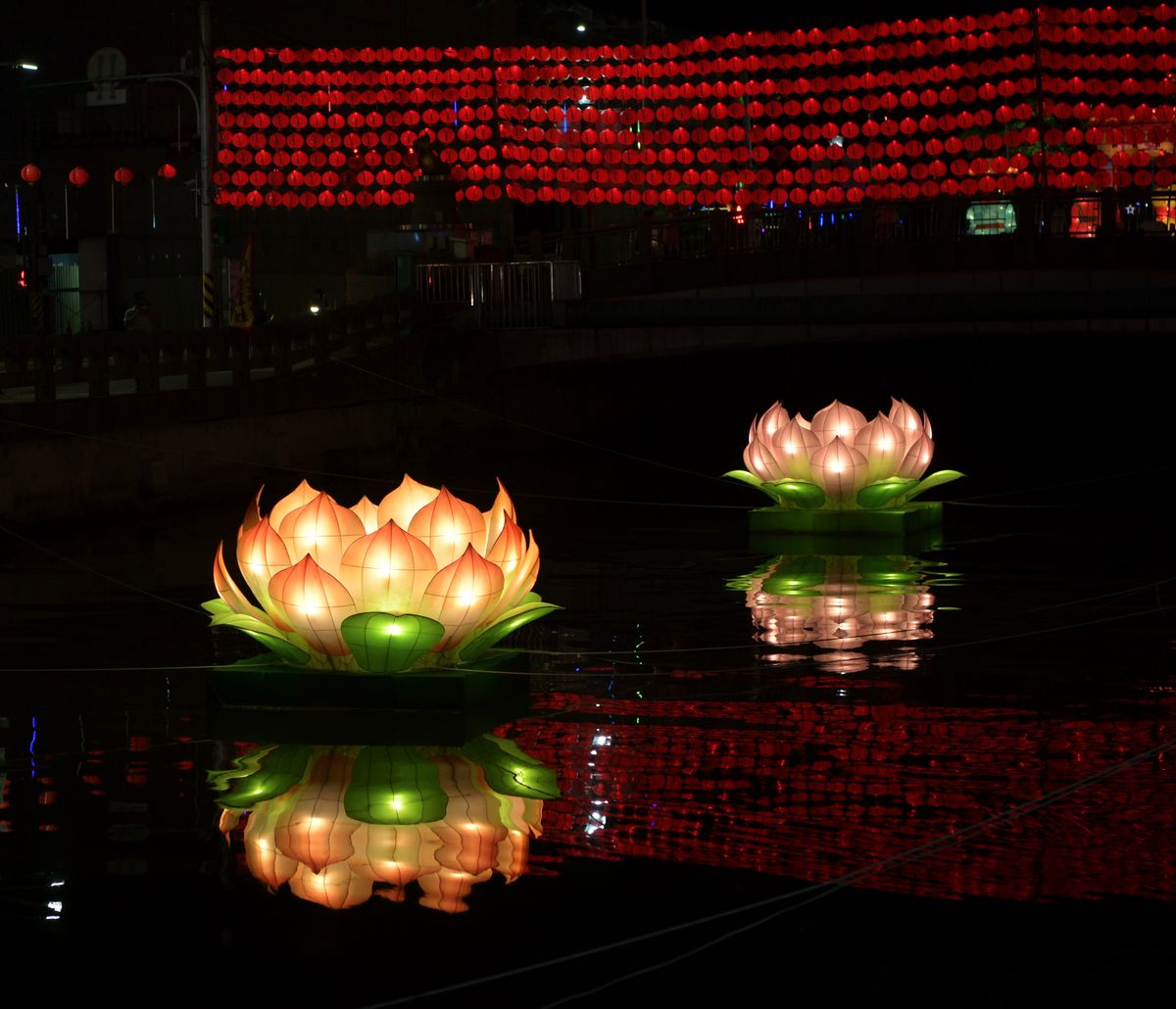
- Zen Garden Pagoda Solar Lighting
- Zen Garden | VivaTerra
- Zen Garden Solar Lights | Backyard Decorative Garden Statues