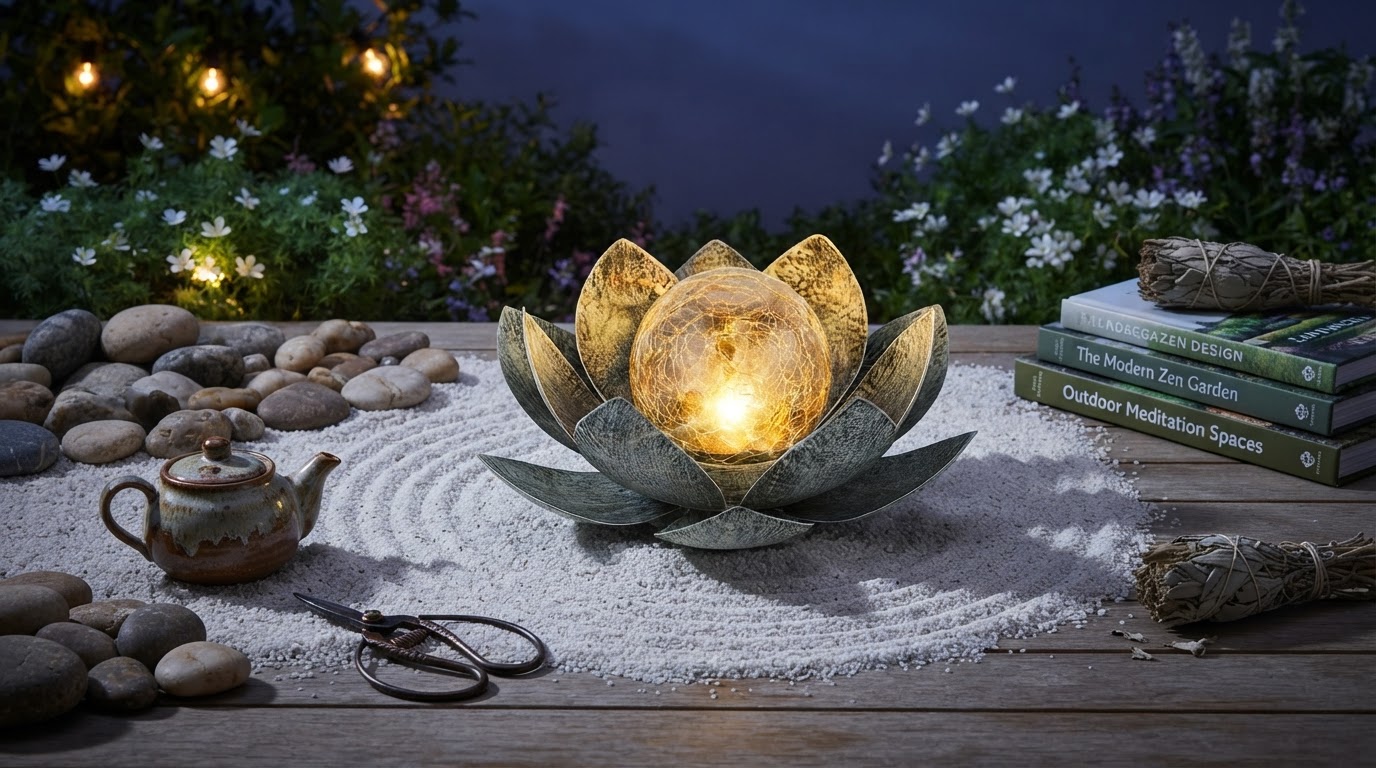
Integrating Solar Lotus Light into Zen Garden Spaces
 Sam VasquezBuying Guide Lead
September 1, 2026. This guide examines the practical application of solar-powered lighting within traditional and modern Zen garden layouts. It is intended for homeowners and landscape designers seeking to maintain a meditative atmosphere after sunset without the intrusion of hardwired electrical systems.
The Challenge of Nighttime Zen Aesthetics
Creating a Zen garden requires a delicate balance of natural elements—stone, sand, water, and plants—designed to encourage mindfulness. However, the transition from day to night often presents a dilemma. Standard floodlights or bright security LEDs can shatter the tranquility of a space intended for reflection. Traditional stone lanterns, while beautiful, often remain dark unless manually lit with candles, which poses a fire risk and requires constant maintenance. According to Garden Accessories, integrating elements like prayer flags for blessings or specific sculptures can ground a space, but these features often disappear into the shadows without a targeted light source.
When we look at solar powered zen garden decor, the goal is to highlight these textures without overwhelming the senses. Many off-the-shelf solar stakes are too blue or too bright, creating a "runway" effect that feels industrial rather than spiritual. If you are trying to illuminate a buddha garden solar lighting setup, you need a warm, diffused glow that mimics moonlight rather than a spotlight. The difficulty lies in finding hardware that looks like a natural extension of the garden during the day while providing enough lumens to be functional at night. For those managing more somber spaces, such as a solar memorial flower lights for cemetery arrangement, the need for reliability and subtle aesthetics is even higher. Between these two needs—aesthetic beauty and functional reliability—most consumer-grade solar lights fail by using cheap plastics that degrade in UV light or batteries that don't hold a charge through the night.
Performance of the Solar Lotus Light in Zen Settings
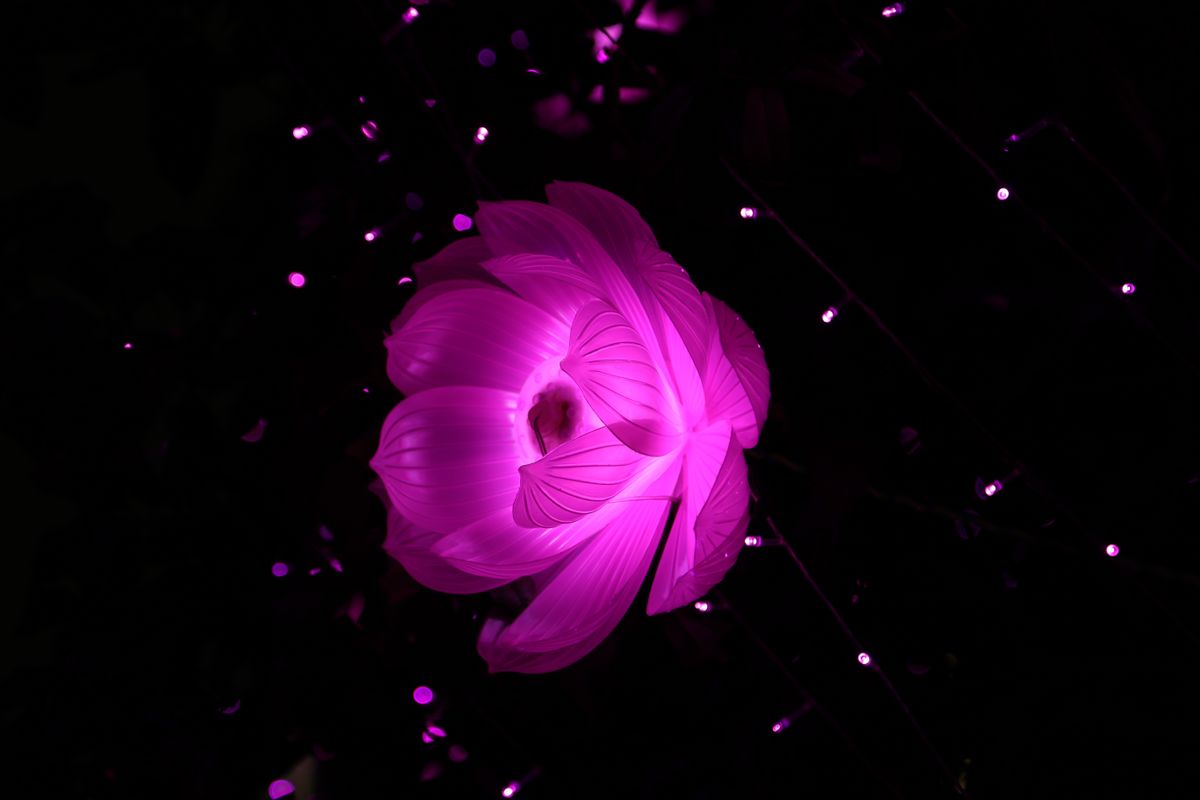
The Solar Lotus Light addresses these specific environmental challenges by utilizing a form factor that complements organic garden shapes. Unlike geometric path lights, the lotus shape integrates naturally near water features or nestled among river rocks. Based on search data, users frequently look for a "lotus flower garden stake solar" with high impressions, indicating a preference for floral silhouettes over standard canisters. The Solar Lotus Light provides this specific aesthetic while maintaining a weather-resistant housing that withstands rain and humidity, which is critical for gardens that feature raked sand or gravel beds that reflect heat.
For those with aquatic elements, the demand for "floating led lotus lights for pool" and pond environments has grown significantly. The Solar Lotus Light functions as a focal point that bridges the gap between land and water. If you're on a budget, you might consider the Stella Pod, which, as noted by Zen Garden, is equipped with a single AAA rechargeable battery and an ultra-bright LED for roughly $69.00. However, the Stella Pod is a more industrial, pod-like design. Here's what I'd actually buy: the Solar Lotus Light. The petal design diffuses the LED light, preventing the harsh glare found in pod-style units. If you are specifically looking for an architectural centerpiece, a Solar Pagoda offers a 12-inch tall traditional Japanese profile, but it lacks the organic, soft lines of a lotus. Between these two, I'd go with the lotus for smaller meditation corners where the light needs to feel like part of the flora. Skip this if you have a purely architectural garden with no organic plant life, as the floral motif may clash with ultra-minimalist concrete designs.
Selecting the Right Zen Solar Hardware
When finalizing your garden layout, you need to evaluate how different light sources interact with your existing solar powered zen garden decor. Not every solar accessory is built for the same purpose. A desktop kit, like the Mini Zen Garden Kit found on Etsy, is great for an office but won't survive a single storm outdoors. For outdoor durability, look for units that specify their battery type and housing material. The transition to solar lotus light fixtures should be handled with an eye toward light temperature and placement.
Use this framework to determine if a specific solar accessory fits your Zen space:
- Check the Kelvin Rating: Aim for 2700K to 3000K (warm white) to maintain a soft, meditative atmosphere; avoid 5000K+ (daylight) which can look harsh.
- Assess the Silhouette: Ensure the fixture looks like a decorative object during daylight hours when the LED is off.
- Evaluate the Base: For sand-heavy gardens, a wide-base or floating light is better than a thin stake that may lean or fall in loose substrate.
- Verify Battery Access: Choose models where the rechargeable battery can be replaced after 1-2 years to extend the life of the fixture.
- Consider Light Distribution: A lotus shape provides 360-degree lateral light, whereas a pagoda or lantern often casts shadows directly beneath it.