
Solar Lotus Light Framework for Water Feature Illumination
 Priya RamanSenior Analyst
September 10, 2026 — The rising consumer demand for floating led lotus lights for pool environments has shifted the focus toward integrated solar technologies like the Solar Lotus Light. As backyard ecosystems become more complex, the requirement for reliable, wireless illumination that balances aesthetic fidelity with mechanical durability has reached a new peak.
Selecting the appropriate illumination for aquatic environments requires a systematic approach rather than a purely decorative one. According to industry analysis of consumer search trends, the interest in solar powered pond decor is driven by a need for low-maintenance, autonomous units that can withstand varying water conditions without external wiring. When evaluating these fixtures, two axes matter here: the degree of aquatic mobility and the light-to-surface area ratio. By mapping these dimensions, property owners can transition from generic garden lighting to a specialized aquatic strategy.
The Three-Axis Aquatic Matrix
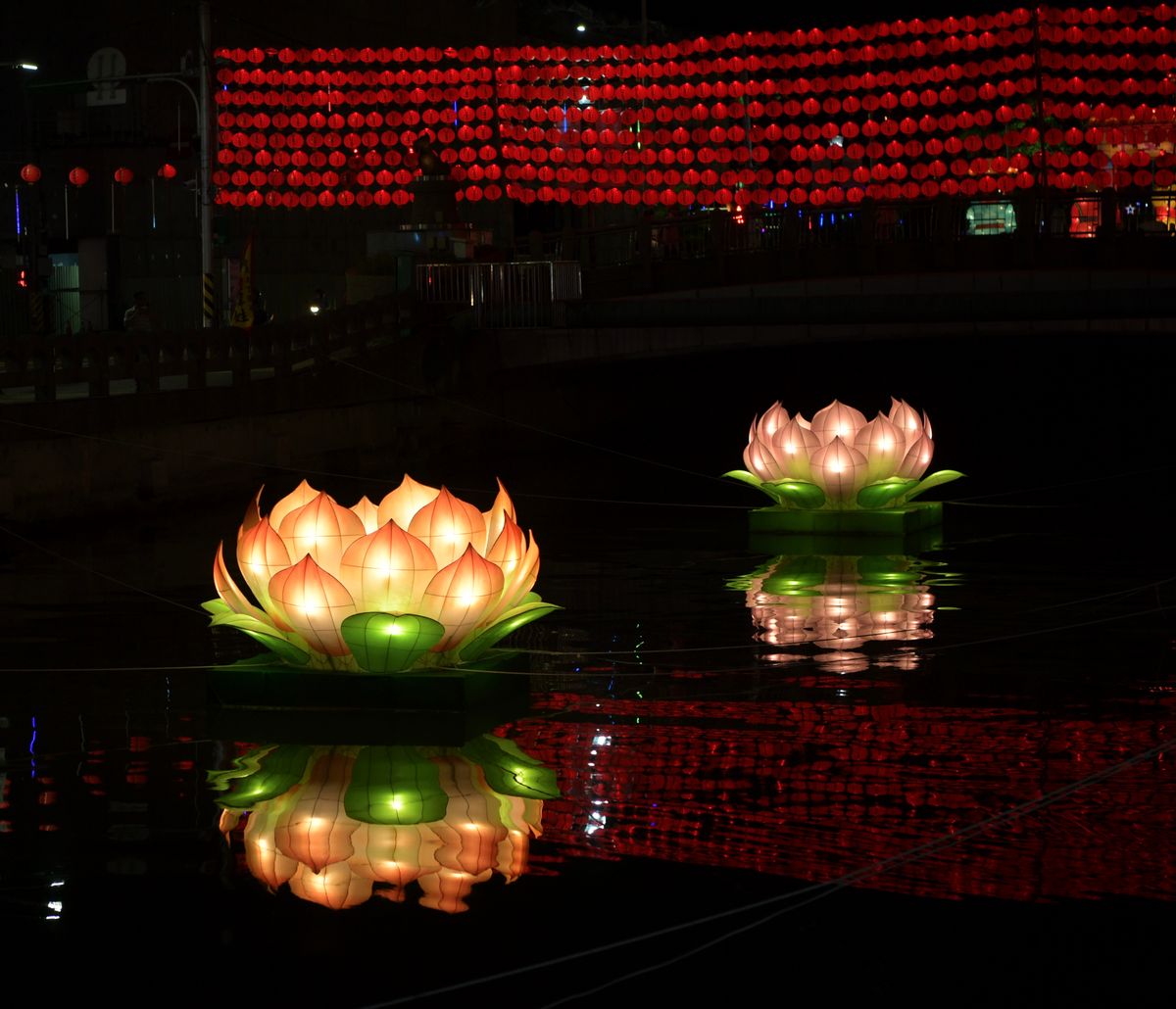
To effectively deploy a Solar Lotus Light in a water feature, one must evaluate the fixture through a three-axis matrix: Buoyancy Stability, Photovoltaic Efficiency, and Environmental Sealing. Once you see it this way, the distinction between a standard garden stake and a purpose-built water lily solar pond light becomes clear. The first axis, Buoyancy Stability, dictates how the fixture handles surface tension and wind-driven drift. The Solar Lotus Light is engineered to maintain a low center of gravity, preventing the tipping common in top-heavy imitations. The second axis is Photovoltaic Efficiency, which is critical for floating units that may drift into shaded areas of a pond. These units rely on high-conversion solar cells integrated into the petal structure to ensure the battery reaches full capacity during daylight hours. The third axis, Environmental Sealing, ensures that the internal LEDs and circuitry remain dry during submersion or heavy spray.
Properly enhancing aquatic spaces with Solar Lotus Light fixtures involves understanding that these units are not merely static decorations but active solar harvesters. For those managing larger bodies of water, the decision rule is to prioritize units with a high IP rating to ensure they survive seasonal changes. This ensures that water lily solar pond lights can withstand rain without compromising the internal battery housing. Furthermore, understanding how do Solar Lotus Light floating LEDs work in pools allows for better integration with existing filtration systems, as the placement affects both light distribution and water flow. Successful deployment ultimately depends on [positioning Solar Lotus Light floating flowers](/blog/positioning-solar-lotus-light-floating-flowers) in zones that maximize sun exposure while minimizing the risk of mechanical interference with skimmers.
Expert tip: To maximize the lifespan of your floating fixtures, wipe the solar panel surface with a damp cloth every two weeks to remove mineral deposits from evaporated pool water, which can reduce charging efficiency by up to 30%.
Effective aquatic lighting requires a balance of technical durability and visual harmony. By applying a structured framework to your selection process, you ensure that your water feature remains a focal point well after dusk.