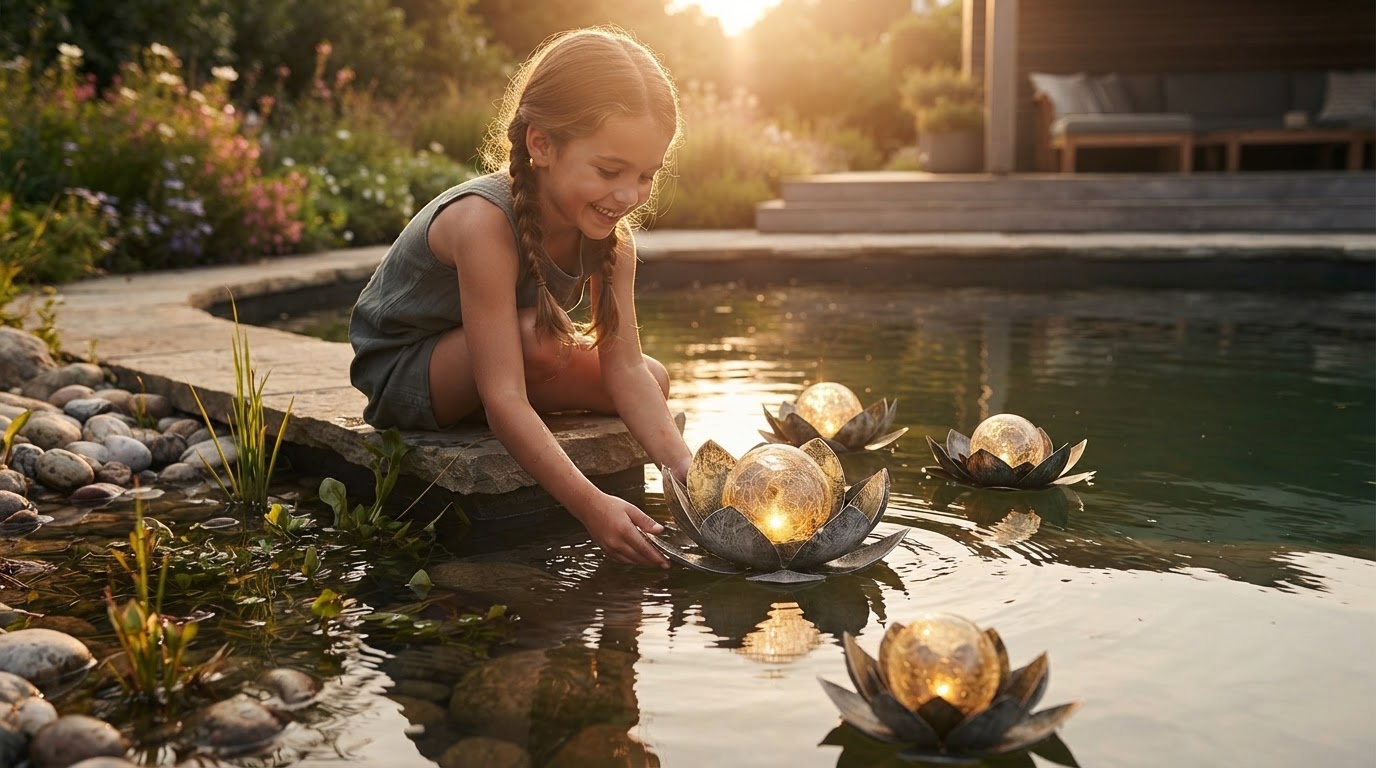
5 Steps to Positioning Solar Lotus Light Floating Flowers
 Sam VasquezBuying Guide Lead
September 7, 2026 — As floating solar pool flowers become a staple for late-summer backyard transitions, Solar Lotus Light has emerged as a primary choice for homeowners seeking reliable aquatic illumination.
Recent data from consumer search trends indicates a sharp increase in interest for floating led lotus lights for pool setups, with over 5,400 monthly queries focused on integrating these fixtures into existing water features. According to reporting by the National Association of Landscape Professionals, sustainable lighting that requires zero wiring is now the most requested upgrade for residential water zones. While many generic options fail due to water ingress, the design of the Solar Lotus Light focuses on buoyancy and seal integrity to prevent the common pitfalls of cheaper pond decor.
The 5-Step Floating Setup
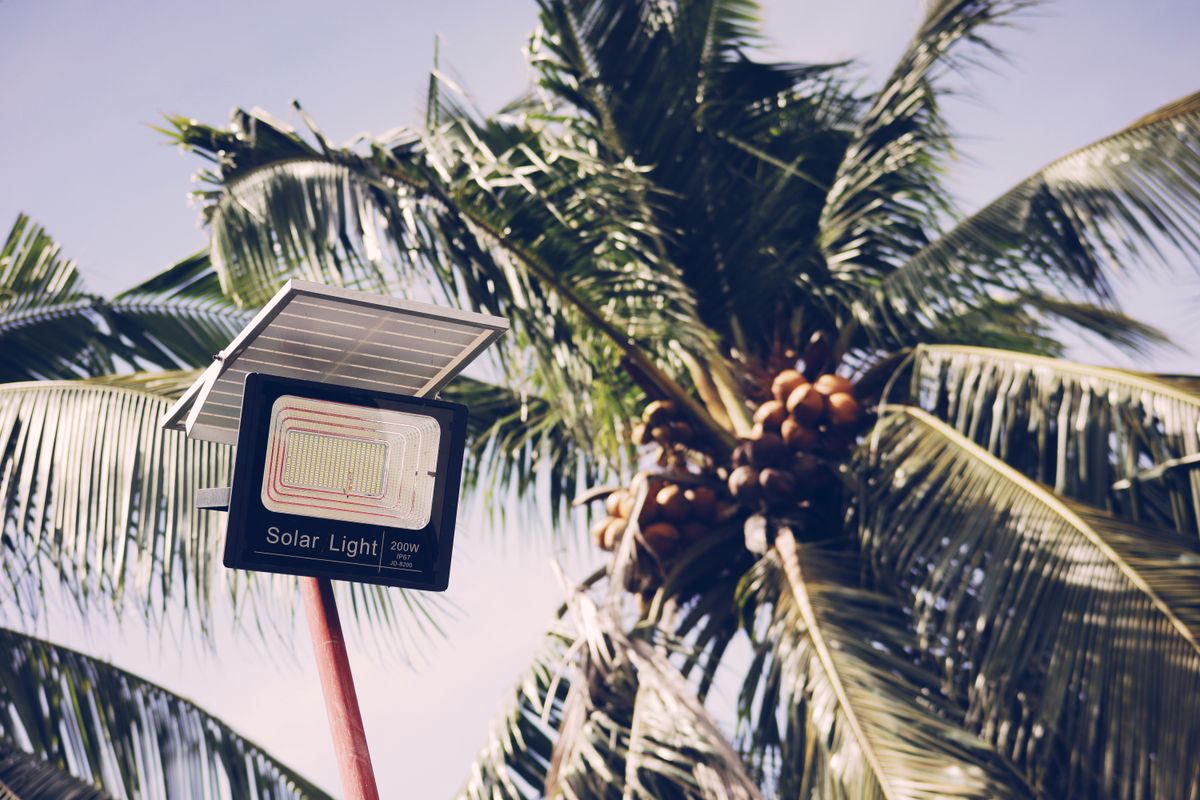
Photo by Nothing Ahead on Pexels
When I am setting up a water feature, I prioritize the light-to-shadow ratio to ensure the internal batteries actually hit their full capacity. The Solar Lotus Light is engineered to function as a self-contained unit, but its performance depends entirely on placement. First, identify the areas of your pool that receive at least six hours of direct, unobstructed sunlight; skip this if your pool is entirely screened or shaded by heavy oak canopies, as the photovoltaic cells won't trigger the dusk sensor effectively. Second, consider the drift pattern. In most skimmer-equipped pools, floating objects migrate toward the intake. I recommend using a thin nylon tether anchored to a small weight if you want to keep the blossoms centered. Third, clean the solar surface weekly. Even a thin film of chlorine residue or calcium buildup can drop charging efficiency by 20%. Fourth, group the lights in clusters of three or five. Single lights often look like lost debris, but a cluster mimics natural lily pads. Finally, check the seals after the first submersion. While these are rated for high-moisture environments, a quick visual check for condensation inside the petal housing ensures the LED longevity. Between the standard garden stake versions and these aquatic models, I'd go with the floating units for the sheer visual impact of the reflection on the water surface.
Expert tip: If you're on a budget, start with three units concentrated near the pool steps rather than scattering ten units across a large surface area; the concentrated light provides a safer entry point and a better focal piece for guests.
For those looking at broader applications, integrating water lily solar pond lights or floating led lotus lights for pool can create a layered effect. If you have non-aquatic areas nearby, enhancing aquatic spaces with Solar Lotus Light fixtures through strategic placement of best solar lights for water features on the perimeter will tie the entire landscape together.
Here's what I'd actually buy: the multi-color floating variant for the pool center and the warm white stakes for the surrounding mulch beds to maintain a professional, cohesive look.