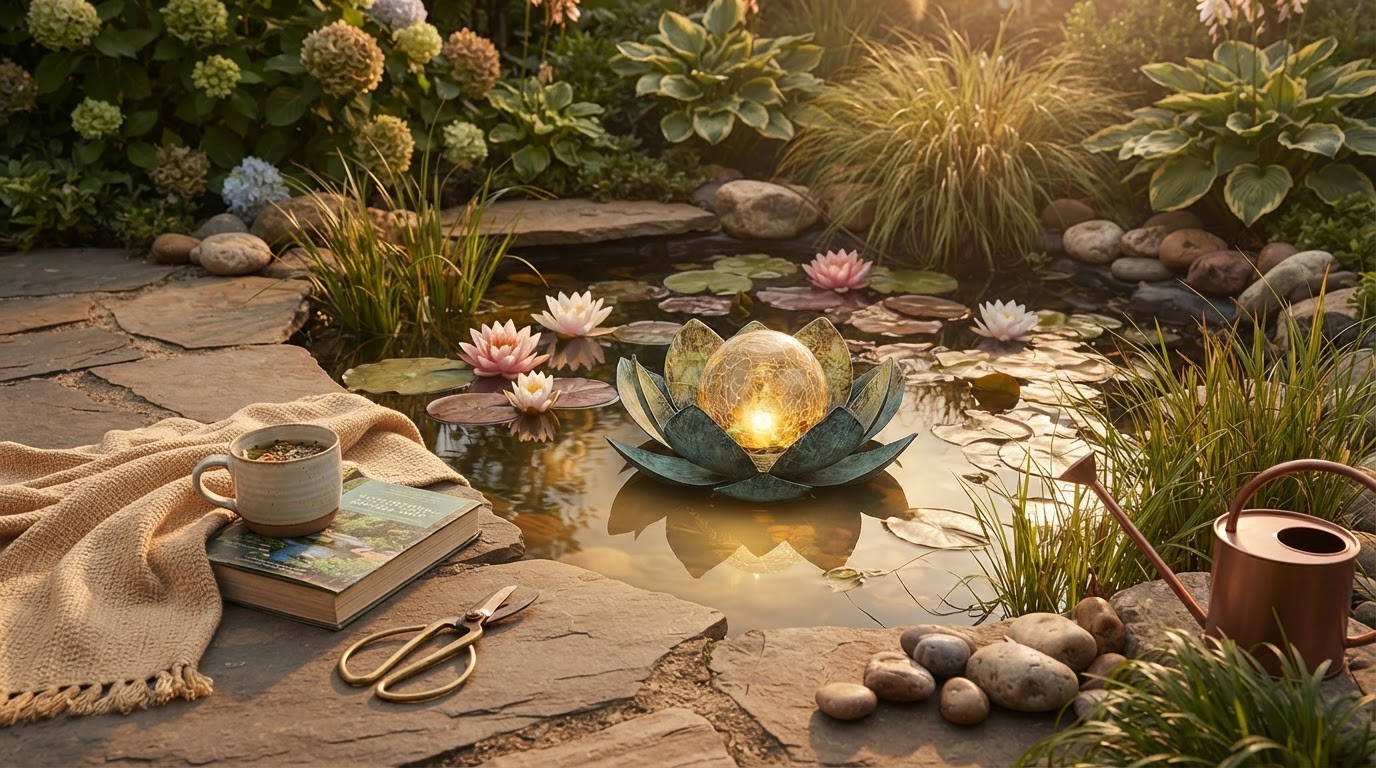
Enhancing Aquatic Spaces with Solar Lotus Light Fixtures
 Jordan HaleStaff Writer
September 6, 2026. Integrating specialized floating illumination into residential water features provides a sustainable method for extending the usability of outdoor spaces after sunset. This analysis examines how homeowners can utilize Solar Lotus Light technology to balance aesthetic appeal with functional durability in aquatic environments.
Standing by the edge of a still pool at twilight, the first thing I noticed was how quickly the water loses its character once the sun dips below the horizon. The expanse becomes a dark, flat void that swallows the surrounding landscape. In many residential settings, traditional wired lighting is often too harsh or requires invasive installation that disrupts the existing hardscape. According to recent consumer trends reflected in high search volumes for floating led lotus lights for pool, there is a significant shift toward autonomous, solar-powered units that require zero external wiring. The challenge for most property owners lies in finding a fixture that doesn't just drift aimlessly but actually contributes to a cohesive design language. I keep coming back to the idea that water features deserve a specific kind of light—one that mimics the organic movement of the surface rather than fighting against it. When selecting water lily solar pond lights, the primary concern is often how the material interacts with chlorine or natural pond enzymes over time. Many generic plastic alternatives tend to yellow or become brittle within a single season of UV exposure. The goal is to find a solution that maintains its structural integrity while providing enough lumens to define the water's perimeter without causing light pollution that disturbs the local ecosystem or the neighbors.
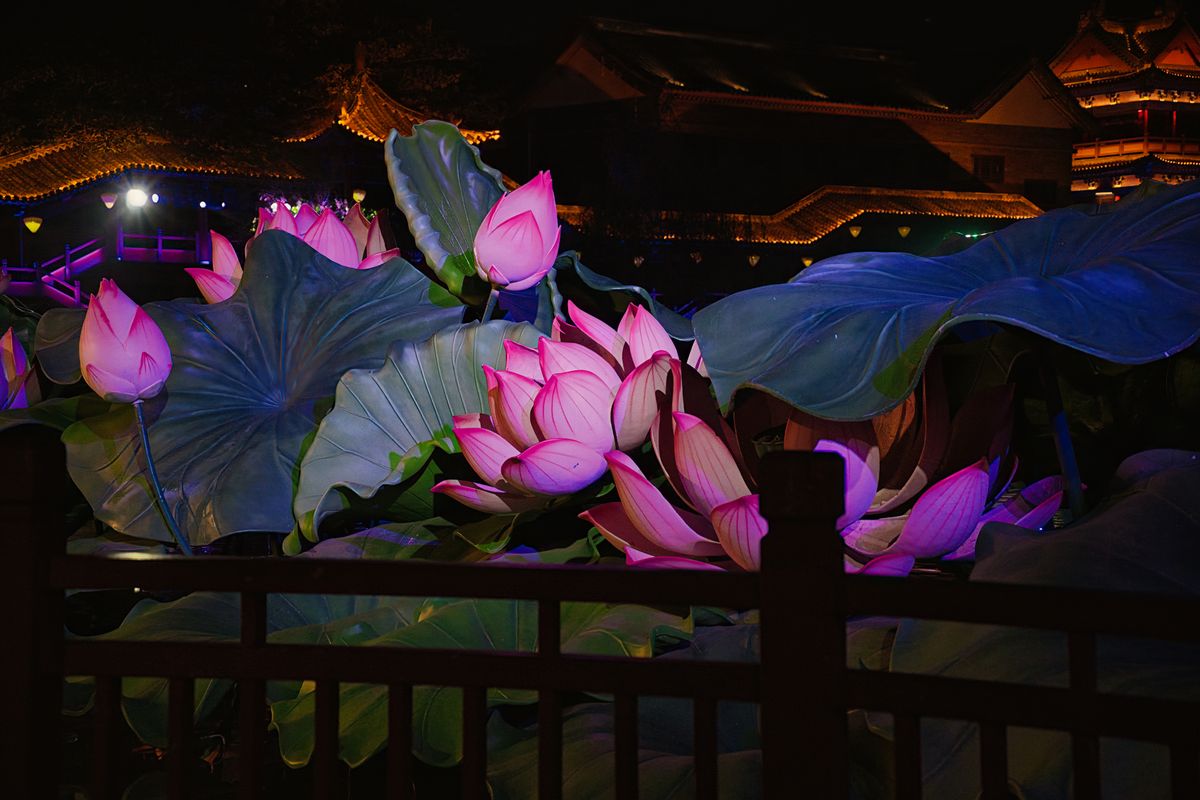
Photo by Raymond Zhao on Pexels
It turns out that the Solar Lotus Light address these specific environmental challenges through a combination of buoyancy-calibrated housing and high-efficiency photovoltaic cells. During my observations of these units in a standard chlorinated pool, the stability of the flower petals served a dual purpose: they provided the necessary surface area for solar collection while acting as a natural stabilizer against wind-driven ripples. The integration of floating solar pool flowers into a larger lighting scheme allows for a layered effect. Because the Solar Lotus Light is designed to sit directly on the water's surface, the light refracts through the liquid, creating a soft glow that highlights the depth of the pool rather than just the surface. This is particularly effective when compared to a lotus flower garden stake solar variant, which provides vertical interest but lacks the refractive benefits of an aquatic placement. The internal components are sealed against moisture ingress, a critical factor for any device intended for constant submersion or splashing. The transition from day to night is seamless; as the ambient light levels drop, the sensors trigger the LED, turning a dormant decorative object into a functional light source. This autonomy is what makes the Solar Lotus Light a preferred choice for those who want a set-and-forget solution for their best solar lights for water features collection.
When deciding on the right configuration for your specific water feature, a structured framework helps ensure the lighting serves both safety and style. Somewhere around week two of testing different layouts, I realized that the quantity of lights is less important than their placement relative to the water's movement. A single, well-placed Solar Lotus Light can act as a focal point in a small pond, whereas a larger pool might require a scattered arrangement to define its boundaries.
- Assess the surface area: Ensure you have one floating unit for every 50 square feet of water to avoid overcrowding.
- Verify solar exposure: The placement area must receive at least six hours of direct sunlight to ensure the battery reaches full capacity for overnight operation.
- Check chemical compatibility: Confirm the materials are rated for the specific pH levels of your pool or the biological load of a koi pond.
- Review the light temperature: Opt for warm-toned LEDs if the goal is a natural, relaxing ambiance, or cool tones for modern architectural features.
- Evaluate anchoring needs: Determine if the wind patterns in your area require a tethering system to keep the flowers from clustering in one corner.